

Flare Resistances
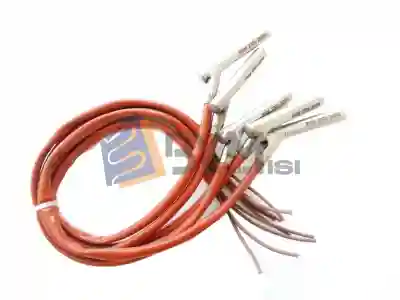
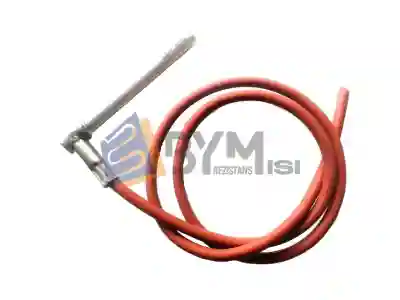
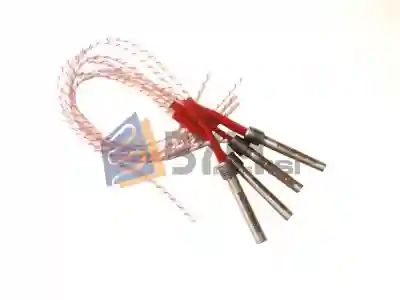

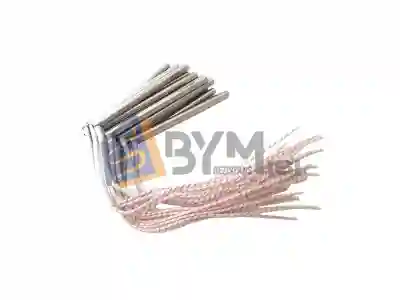
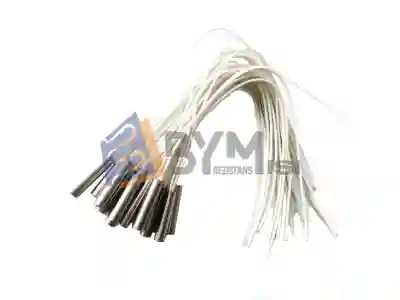
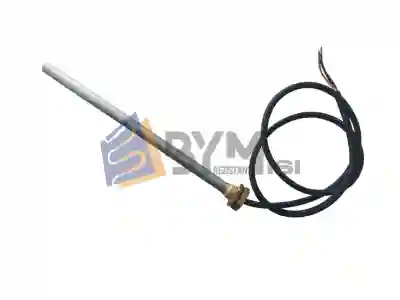

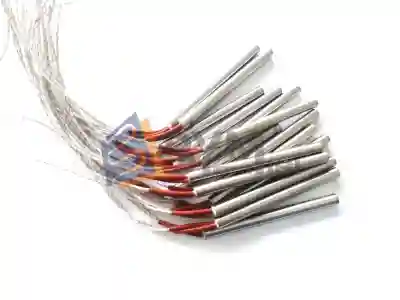
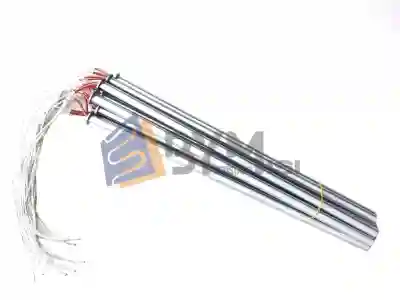
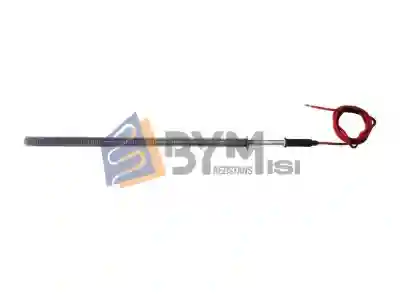


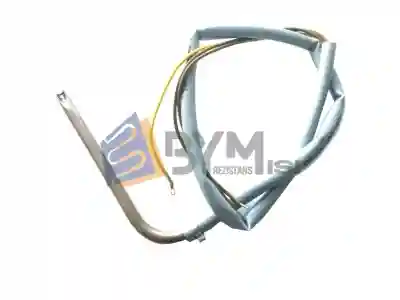
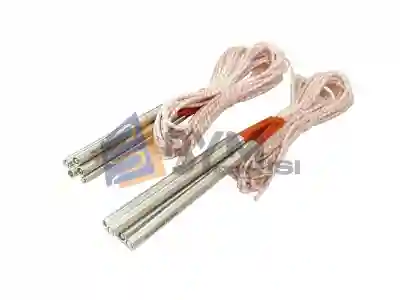
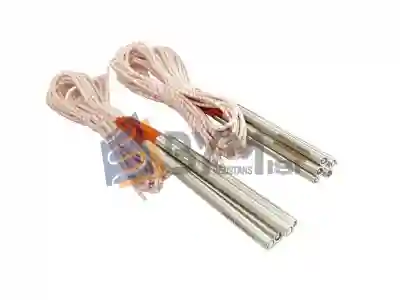
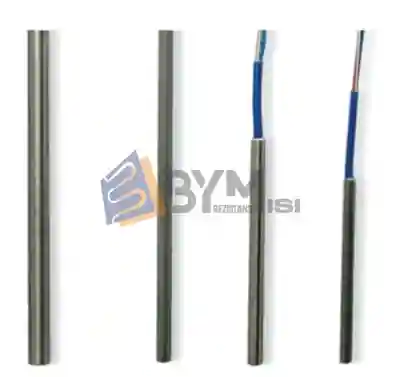
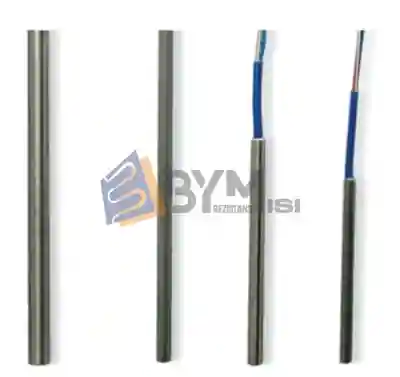
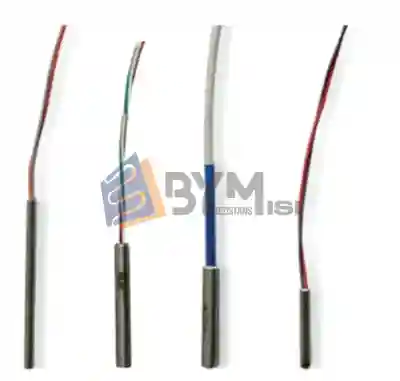
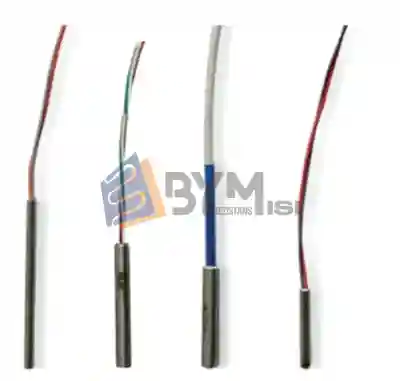
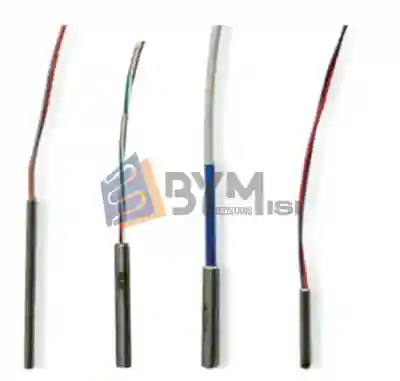
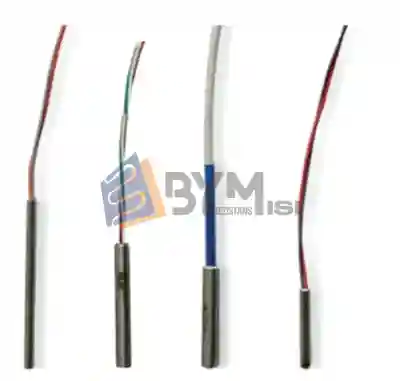
Flare resistors are resistive conductors that pass electrical current and convert some of the electrical energy into heat energy. This heat energy can be necessary for the operation of various electrical appliances. Flare resistors are available in different sizes and materials. For example, cartridge resistors made of materials such as carbon, tungsten, nichrome are available.
Firecracker Resistances Features
Flare resistances have many features. Some of these are as follows:
Resistance Value: The resistance value of flare resistors determines how much heat they generate at a given voltage and current. The resistance value may vary depending on the size and material of the flare resistor.
Durability: Flare heating elements must be resistant to high temperatures and abrasion. Therefore, the choice of material is important.
High Temperature Capacity: Flare resistors should be designed to withstand high temperatures. Thus, they can withstand the high temperatures that can occur during the operation of electrical appliances.
Fast Heating: Flare heating elements are ready for use quickly thanks to their ability to heat up quickly. This is important in industrial applications.
High Efficiency: Flare heating elements operate with high efficiency. They use a small amount of energy to convert electrical energy into heat energy.
Applications of Flare Resistances
Flare heating elements are also used in many high temperature application areas. For example, heating processes in production lines, packaging processes, other industrial ovens and heating systems. In addition, flare resistors are used in laboratories for heating liquids, water baths and similar applications. Flare heating elements are used to heat and cook products inside industrial ovens.
These types of furnaces are equipped with flare heating elements made of high temperature resistant materials such as stainless steel and Inconel. Flare heating elements work at high temperature to melt metal in melting furnaces. Such furnaces are used for melting metals such as cast iron, brass and zinc. Flare resistances are used in laboratory furnaces to achieve high temperatures. These ovens come in different sizes and temperature ranges and can be customized as per the user's requirement.