

Thermocouple Temperature Sensors



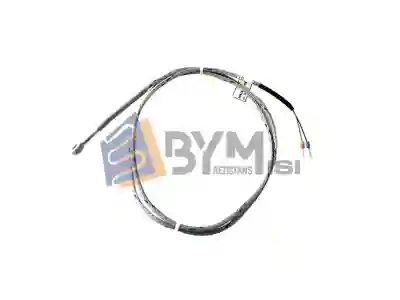
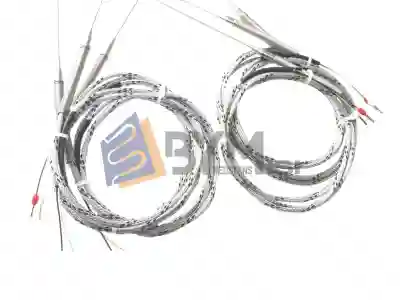








Thermocouple temperature sensors are precision instruments used for temperature measurement in many industrial applications. These sensors convert the temperature change into an electrical signal according to the type of thermocouple. In this article, the features, applications and advantages of thermocouple temperature sensors will be discussed.
Thermocouple temperature sensors can be manufactured using many different metal pairs. The most common are iron-chromium, nickel-chromium and copper-constantan pairs. These pairs of metals react differently to temperature and are used to measure temperature changes.
The most important feature of thermocouple temperature sensors is that they can be used over a very wide temperature range. Some types of thermocouples can measure temperatures between -200°C and 2,300°C. In addition, thermocouple temperature sensors can measure very rapid temperature changes and are capable of high accuracy measurements.
Termokulp Temperature Sensors Areas of Use
Thermocouple temperature sensors are used in many industrial applications. These include the food processing, chemical, petrochemical, metalworking, power generation, automotive and aerospace industries. These sensors are especially ideal for devices used in high temperatures and hazardous environments.
For example, thermocouple temperature sensors are used in high-temperature applications such as blast furnaces, cookers and district heating systems. In addition, these sensors are also used in devices used in the chemical and petrochemical industries, in environments with explosive and flammable materials.
Advantages of Thermocouple Temperature Sensors
Thermocouple temperature sensors have many advantages. These include high accuracy, fast response time, long life, durability and cost-effectiveness. Thermocouple temperature sensors are precision instruments capable of high accuracy measurements. They are also used in many applications because they can measure very fast temperature changes.